Our market towns and villages
Braintree
Braintree is an attractive market town where heritage, enterprise and countryside come together. With roots stretching back more than 4,000 years, the town has evolved from an ancient settlement and Roman town into a modern destination while retaining its strong sense of identity and community.
For centuries, Braintree was renowned for its cloth and textile industry, becoming one of England's most important centres for wool, silk and textile production. This spirit of craftsmanship and innovation helped shape the town's character and continues to influence its entrepreneurial outlook today.
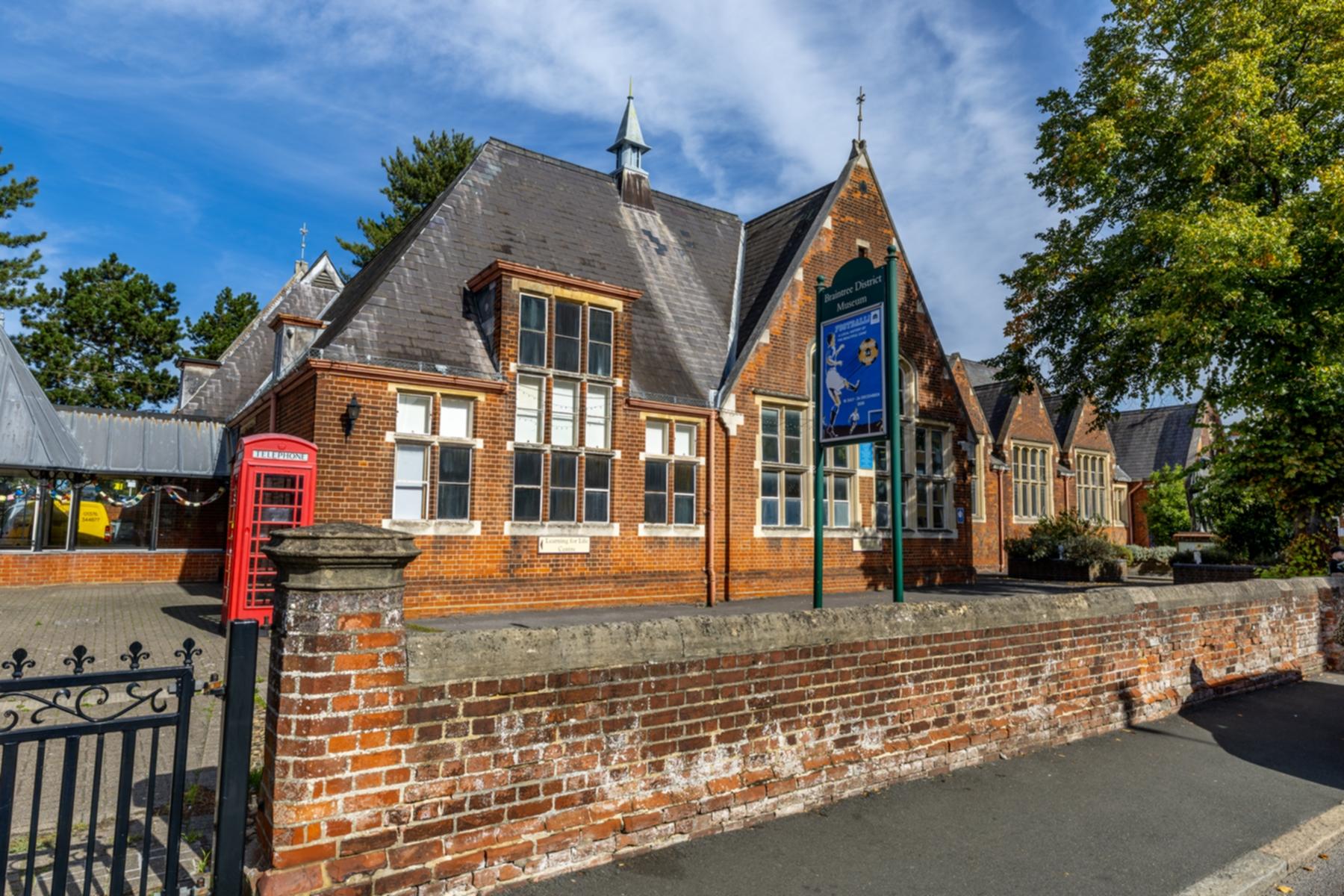
The town's rich heritage can be seen in its historic buildings and landmarks. Braintree Museum tells the story of the town's industrial past and the people who helped shape it, while the striking Braintree Town Hall, gifted to the town by the Courtauld family in 1928, stands as a lasting symbol of civic pride and local philanthropy. Nearby, Bocking Windmill, one of the finest surviving windmills in Essex, offers a fascinating glimpse into the area's rural history. Just beyond the town, Cressing Temple Barns showcases some of the most impressive medieval timber-framed buildings in Europe.
Today, Braintree is a popular visitor destination. Braintree Village, one of the county’s leading designer outlet shopping destinations, attracts visitors from across the region with its premium brands, restaurants and welcoming open-air environment. For those looking to enjoy the outdoors, Great Notley Country Park offers acres of green space, walking and cycling routes, family play areas and opportunities to connect with nature. The nearby Flitch Way, a scenic walking and cycling route following the former railway line between Braintree and Bishop's Stortford, provides miles of traffic-free countryside for visitors to explore and enjoy.
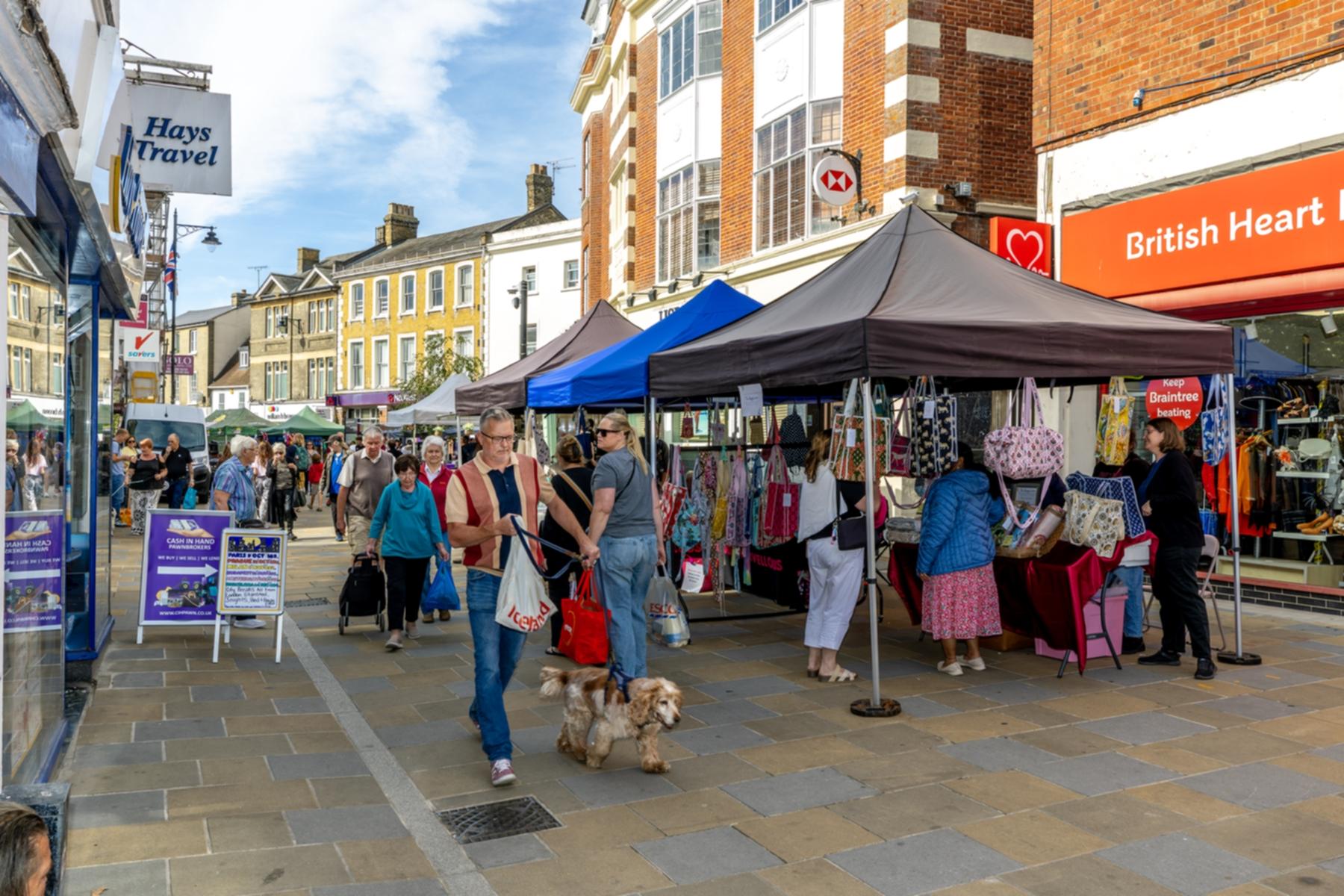
Braintree also hosts a monthly street market where local traders and independent businesses showcase artisan products, fresh produce, handmade goods and unique gifts. The market celebrates the town's strong community spirit, supports local enterprise and continues Braintree's long tradition as a busy market town.
Combining a rich heritage, distinctive character, historic landmarks, busy markets, retail attractions and beautiful surrounding countryside, Braintree offers a unique experience and remains a great place to live, work and explore.
Coggeshall
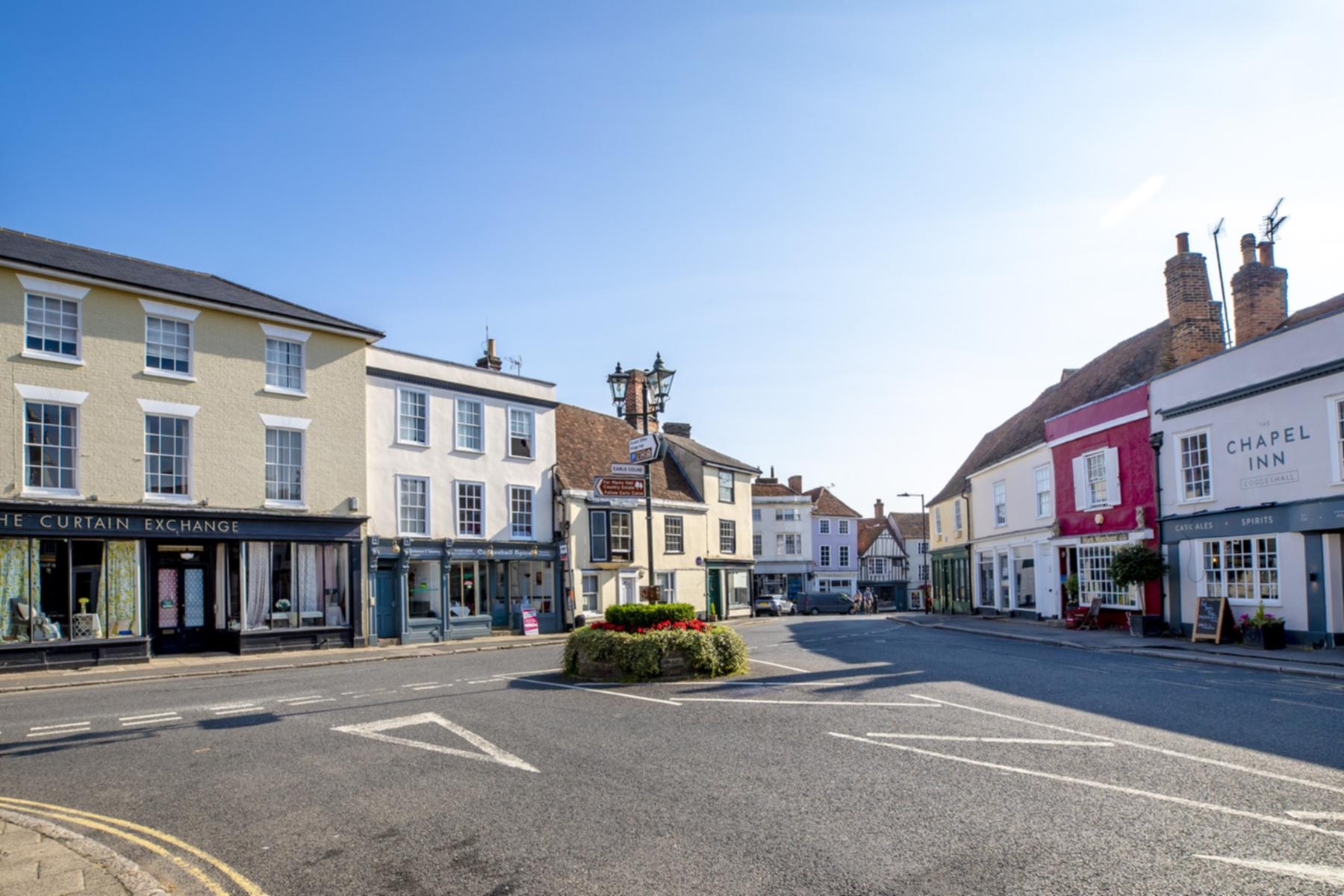
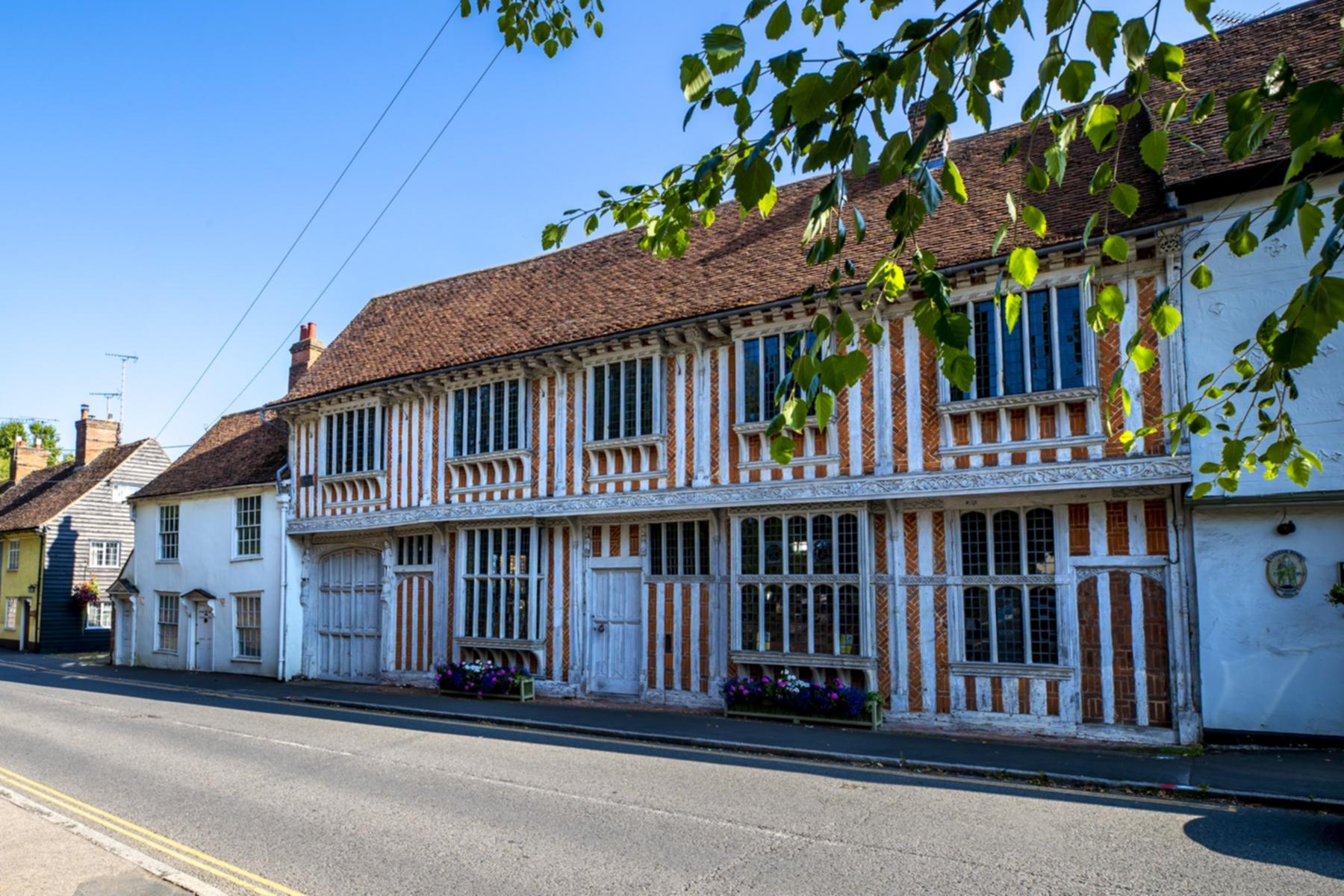
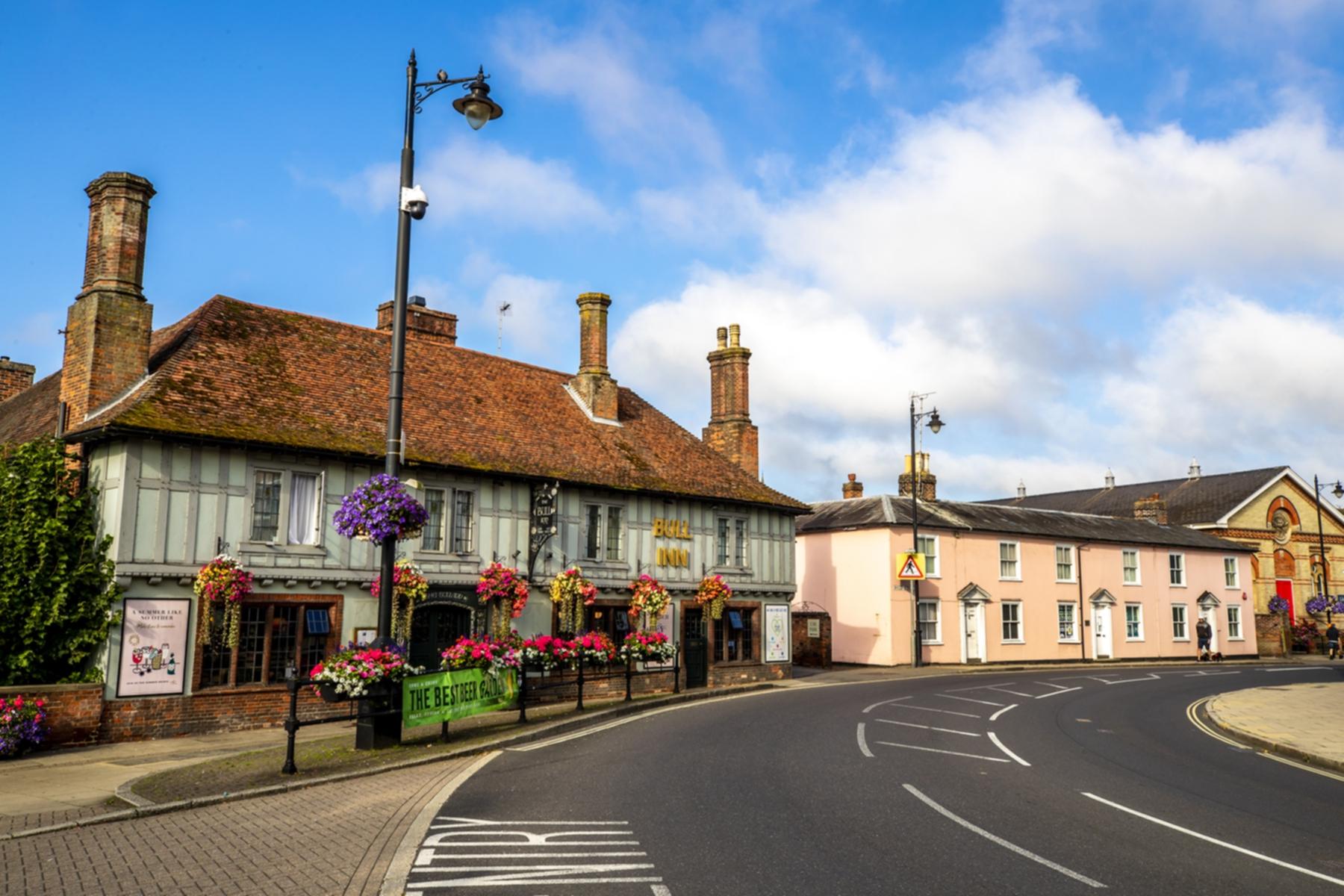
Coggeshall is a charming historic town, renowned for its wealth of heritage, and home to over 200 listed buildings. Many are timber-framed and date back to the 14th century, including the magnificent "wool church" of St Peter ad Vincula.
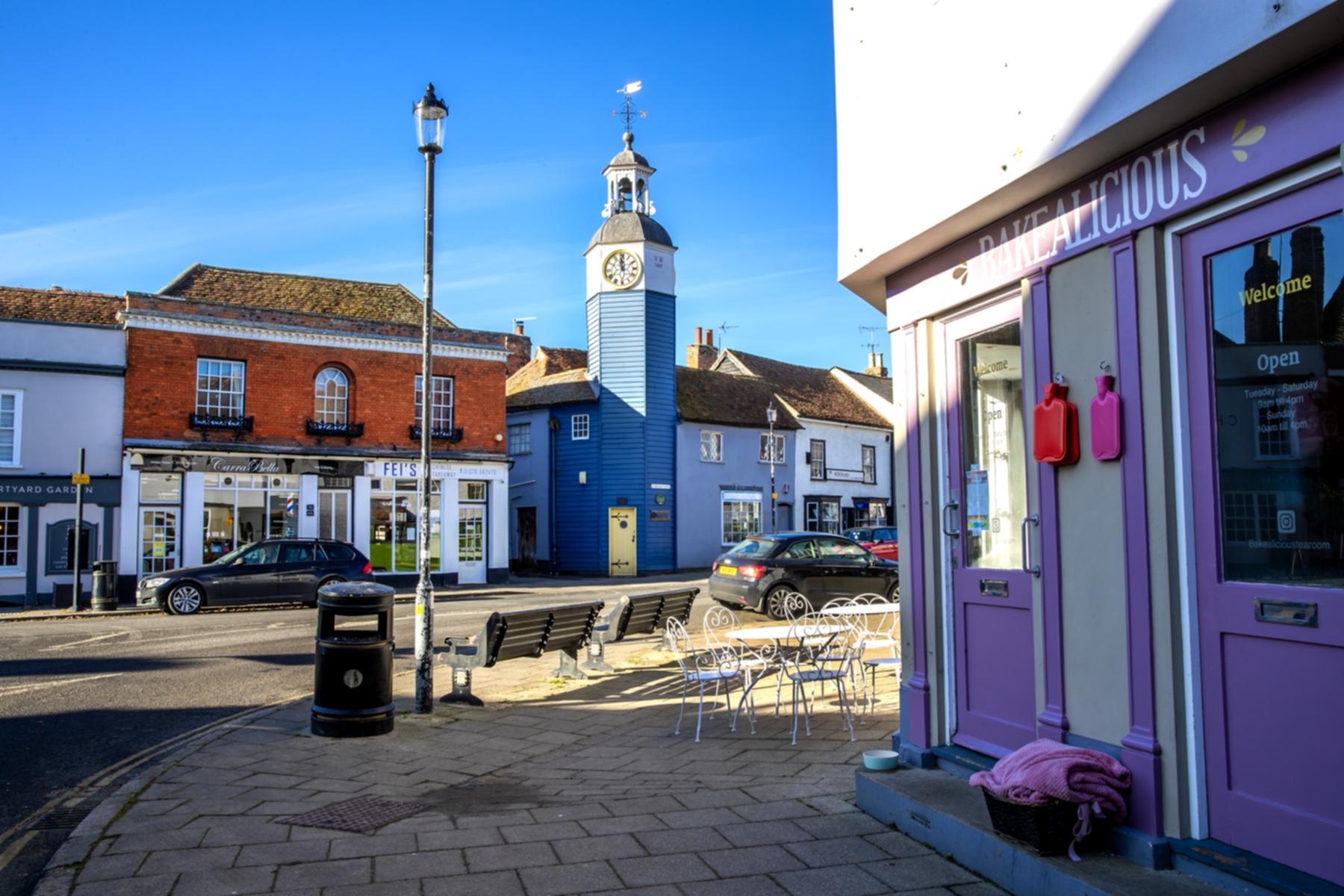
The National Trust’s Paycocke’s House is an outstanding example of a wealthy 16th century cloth merchant’s home, while Grange Barn, founded in 1140, is one of Europe's oldest timber-framed barns. The town's iconic blue and white clock tower, medieval abbey and fascinating museum offer further opportunities to discover Coggeshall's rich past.
Like many towns and villages across the area, Coggeshall prospered through the wool and cloth trade before developing industries in silk and velvet weaving, tambour lace making, and brewing. The decline of these industries, combined with the town's decision to reject the railway, helped preserve its historic character, leaving it largely untouched by modern development.
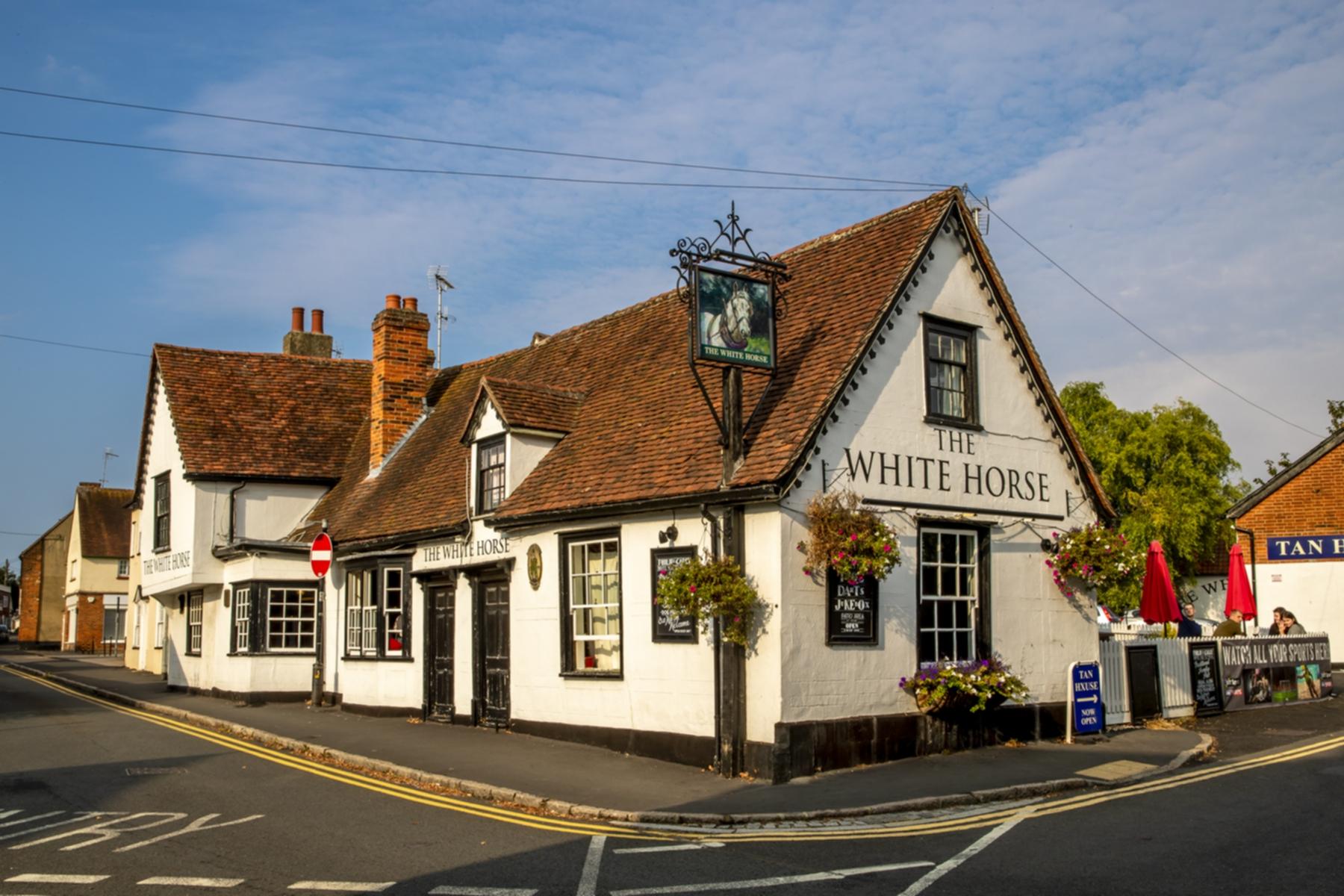
Beyond its heritage, Coggeshall boasts a vibrant community and a welcoming high street filled with independent shops, cafés, pubs, restaurants and local businesses. A regular Thursday market, annual festivals and community events help create a lively atmosphere throughout the year, while the surrounding countryside provides opportunities for walking, cycling and enjoying the natural environment.
With its winding streets, characterful buildings that appear to lean towards the pavement, independent businesses, and remarkable historic architecture, Coggeshall possesses a unique and enduring charm.
Culture attractions and heritage:
Pubs, tearooms and eateries:
Finchingfield
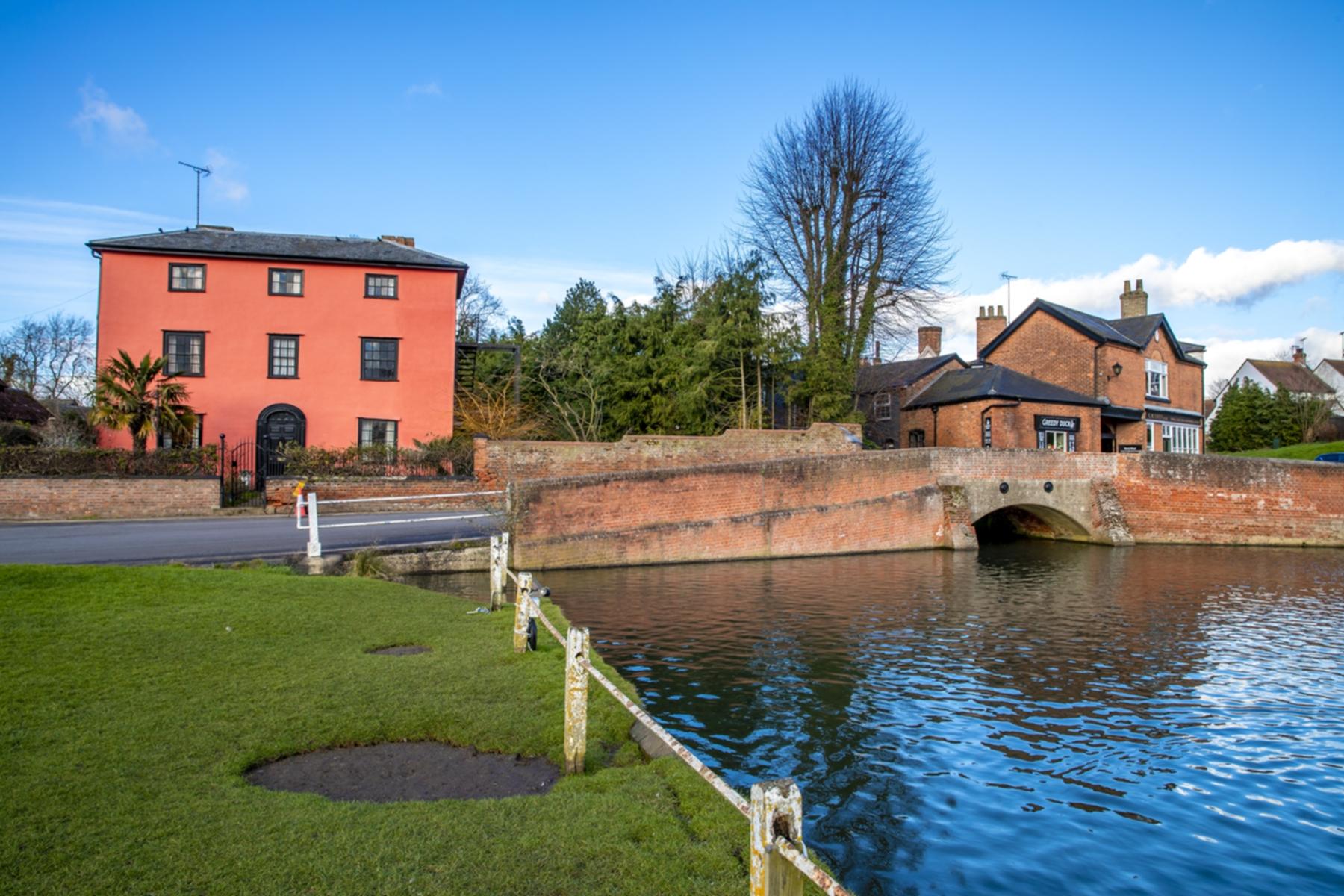
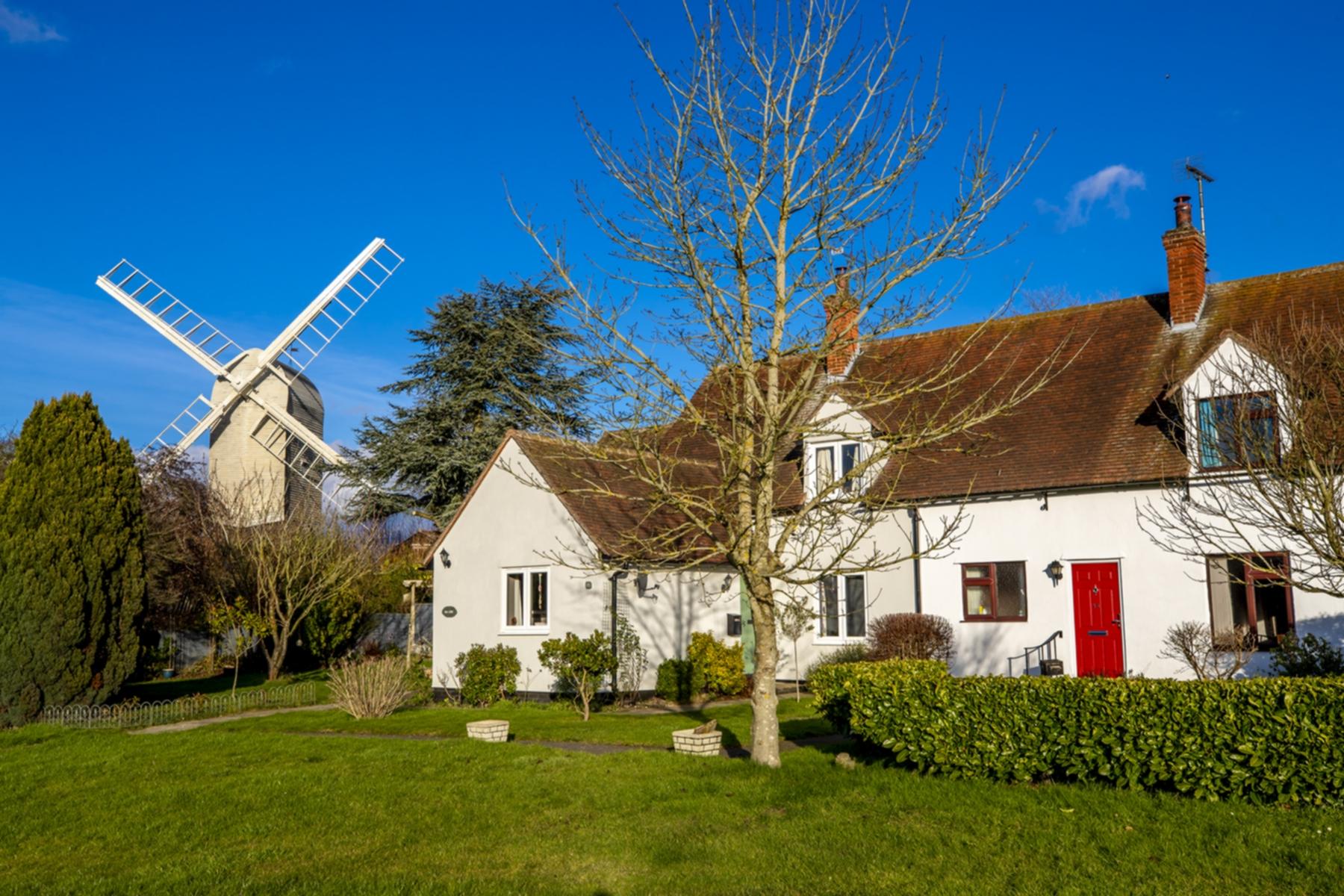
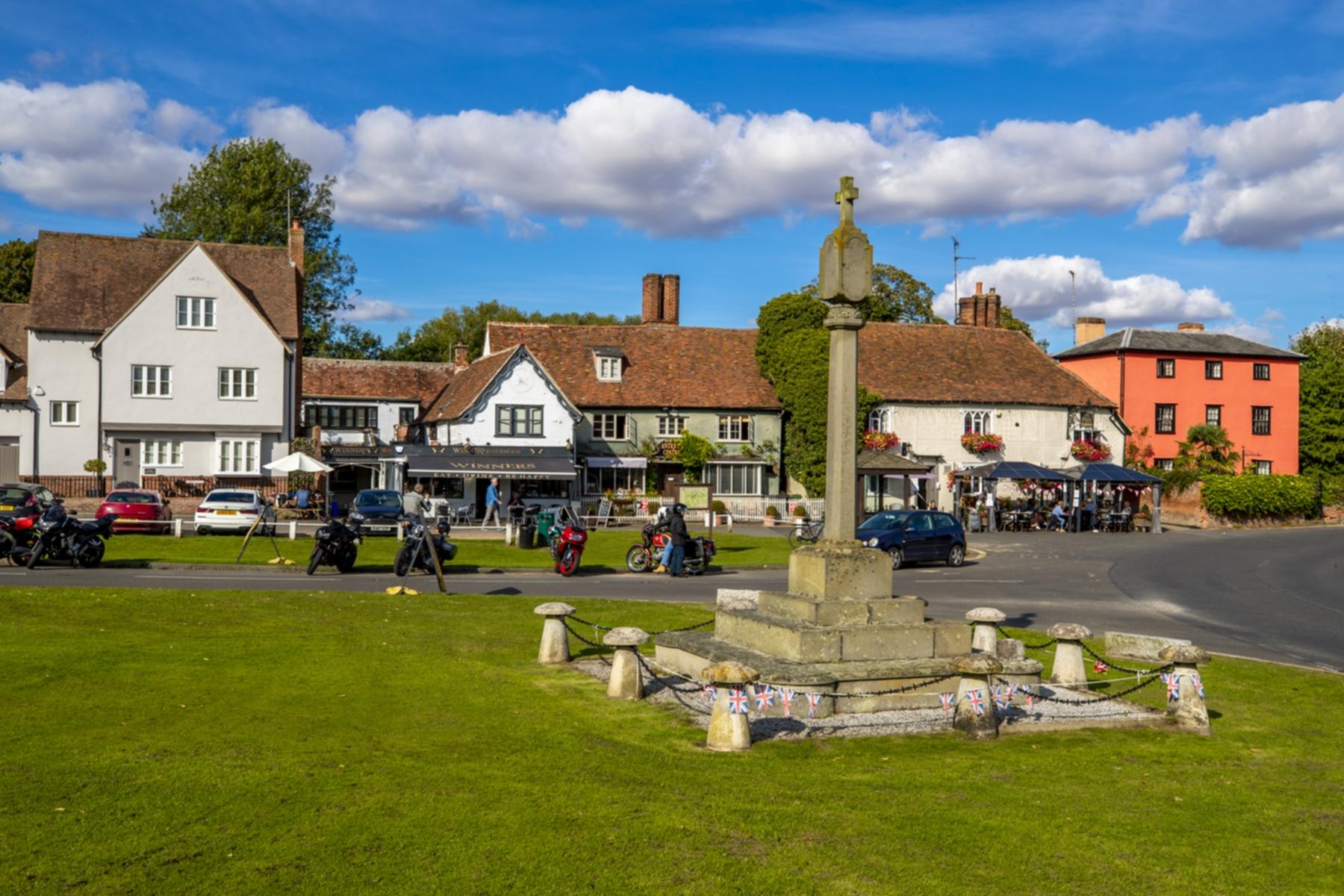
Finchingfield is an idyllic village complete with village green, duck pond, humpback bridge, colour washed cottages, traditional pubs and centuries-old buildings. The distinctive setting, with the village rising gently up the hillside towards the church and windmill, creates one of the most recognisable and picturesque scenes in rural England.
The village's rich history stretches back thousands of years, with evidence of prehistoric, Roman, Saxon and Norman settlements. Historic landmarks such as the medieval Guildhall, St John the Baptist Church and the renowned post windmill continue to tell the story of the village's remarkable past.
For visitors, Finchingfield offers much more than its picture-postcard appearance. The village is an ideal base for exploring the beautiful North Essex countryside, with scenic walking routes, cycling opportunities and nearby nature experiences. Local attractions, heritage exhibitions, cultural activities and year-round community events provide plenty to discover, while the village's welcoming pubs, restaurants and independent businesses offer a warm welcome.
What truly sets Finchingfield apart is its strong sense of community. Despite its rural setting, the village benefits from a range of local amenities, including a primary school, doctor's surgery, village shop and recreation. The village is also home to celebrity chef and campaigner Jamie Oliver.
Finchingfield successfully combines the tranquillity of country living with a thriving visitor economy and a strong community spirit. Whether enjoying a peaceful afternoon by the village green, exploring its historic streets, or attending one of its many local events, visitors quickly discover why Finchingfield continues to be celebrated as one of Essex's most treasured destinations.
Culture and heritage:
Pubs, tearooms and eateries:
- The Fox on the Green
- The Finchingfield Lion
- The Three Tuns
- Winners Restaurant and Bar
- Zafra Pasta Bar and Grill
Independent shops:
Finchingfield Antiques CentreWalks and hikes
Best walks and hikes near FinchingfieldHalstead
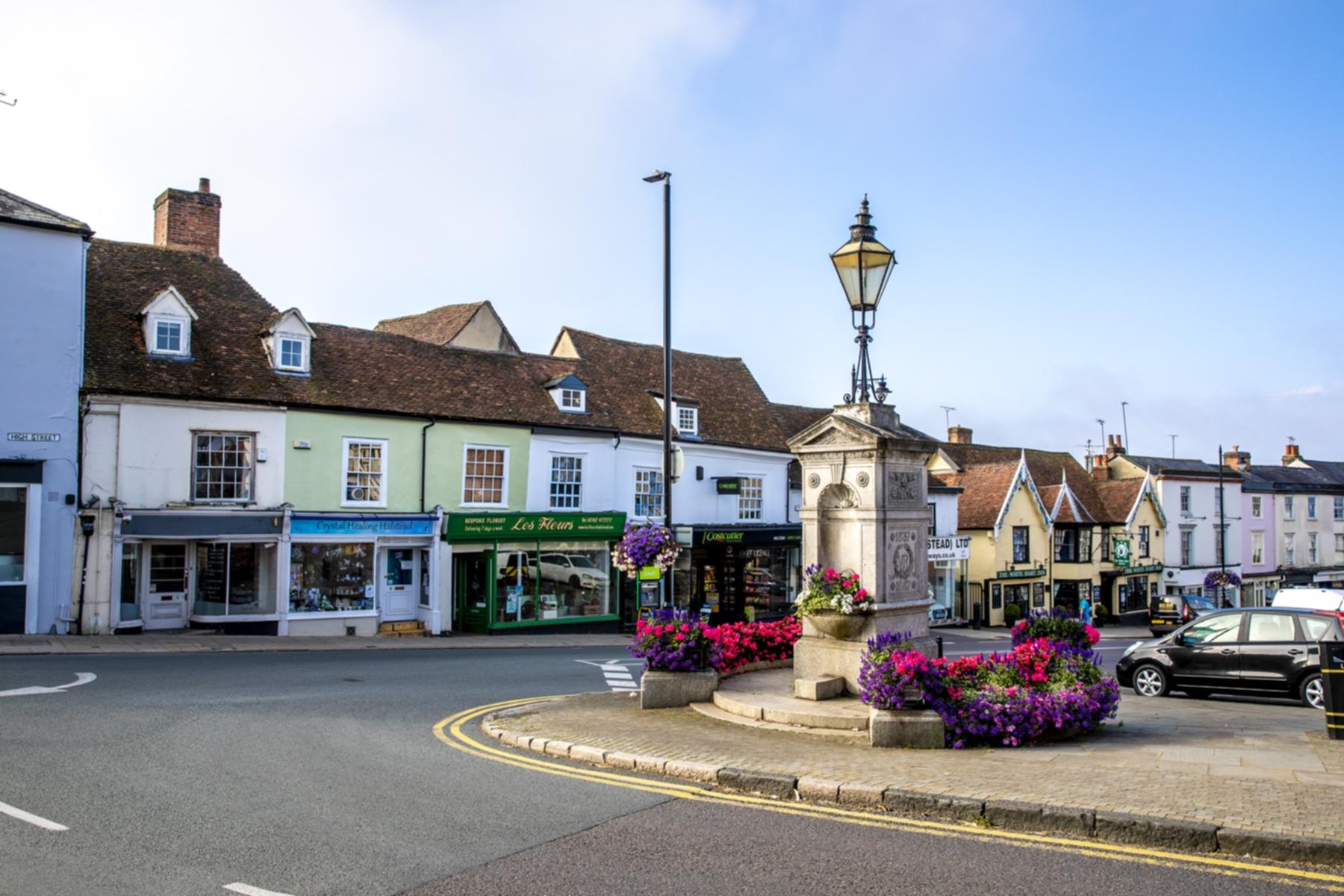
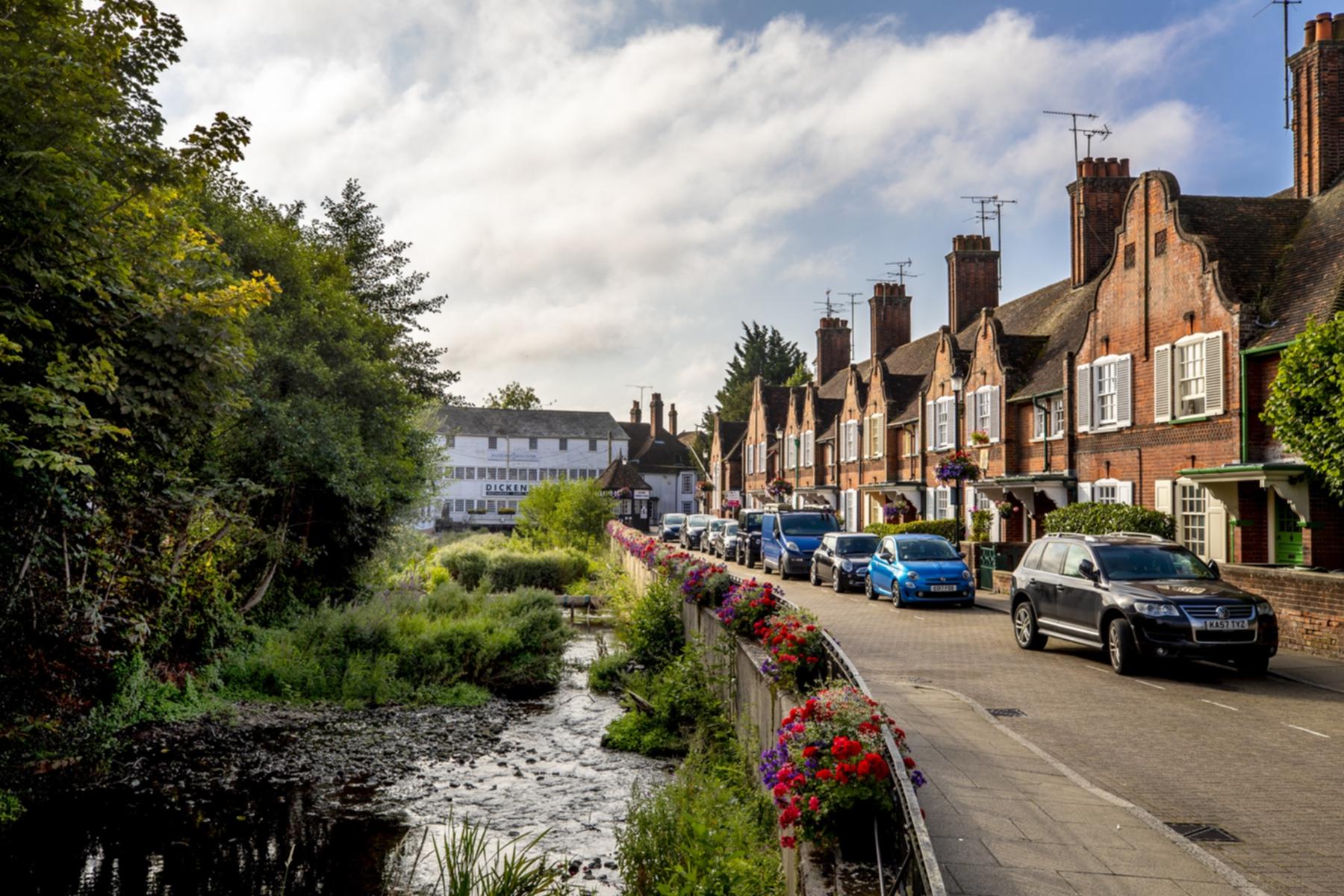
Set on the banks of the River Colne, Halstead is a charming market town rich in history and character. A picturesque riverside walk follows the course of the river, offering a peaceful retreat for residents and visitors alike. The town has a wide range of independent shops, family-run butchers and bakers, cafés and restaurants, and is home to two beautiful churches and many historic buildings associated with the Courtauld family.
Halstead is renowned for its success in the Britain in Bloom awards, and the town enjoys colourful floral displays throughout the year. Its Victorian Public Gardens are formally laid out and feature a central bandstand, which hosts popular Sunday afternoon summer concerts as well as a variety of special evening events.
The town is home to the popular Empire Theatre, a vibrant arts and entertainment venue that hosts films, tribute acts, live music, and the much-loved annual pantomime. Throughout the year local community groups also organise activities, events and initiatives that bring residents together and contribute to Halstead’s strong sense of community.
For centuries, wool and weaving formed the backbone of Halstead's economy. The surviving Townsford Mill, which spans the River Colne, stands as a reminder of the town's rich industrial heritage. Local tradition holds that the black silk used for Queen Victoria's many mourning gowns was produced at the mill. Today, this picturesque historic building is home to one of the largest antique centres on the Essex-Suffolk border.
Halstead's fascinating history can also be explored through its History Society and Museum, which offer valuable insights into the town's past. The town bears the lasting legacy of the industrialist Samuel Courtauld and his family, who funded and built many important local landmarks, including the hospital, library, public park, and workers' housing.
Witham
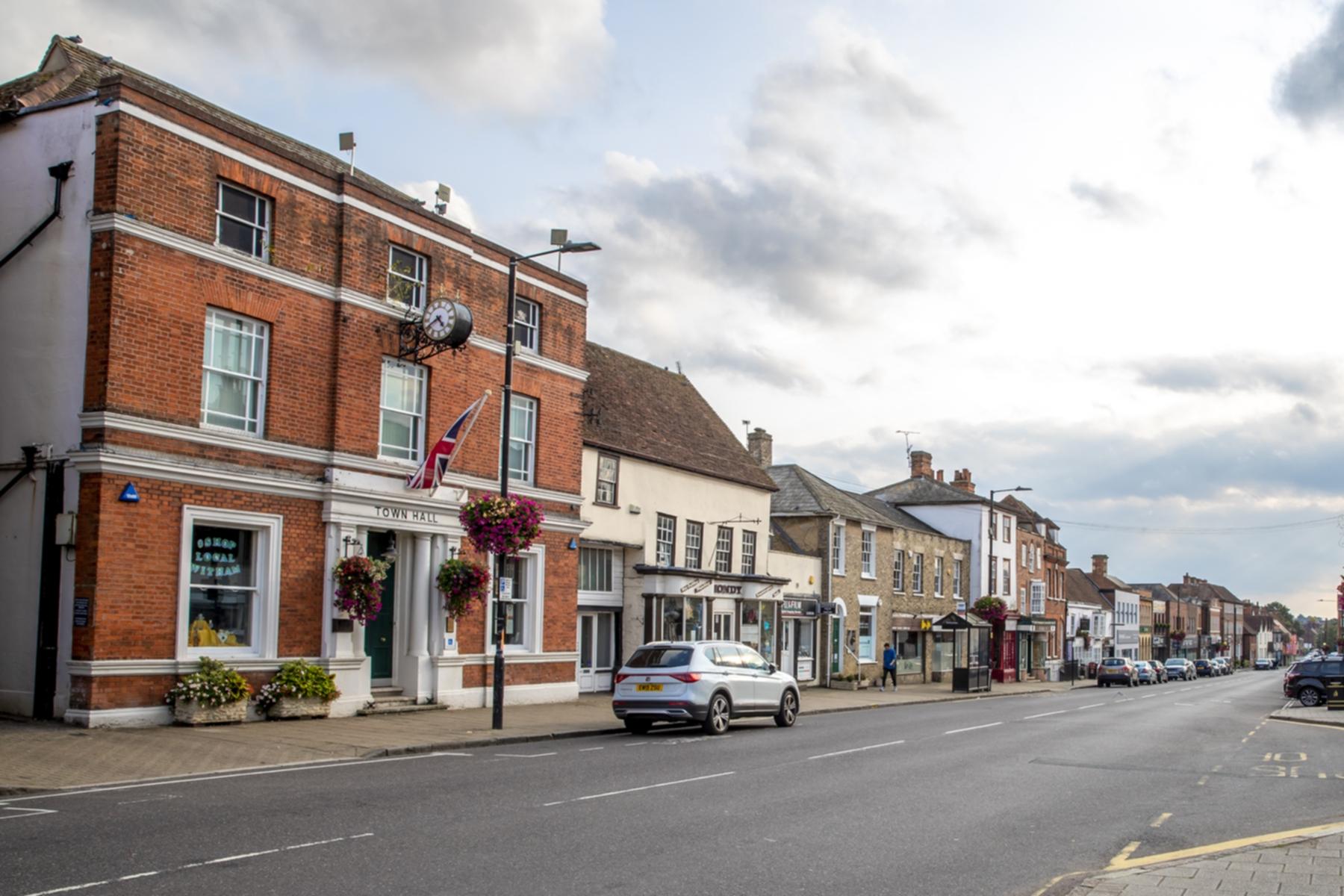
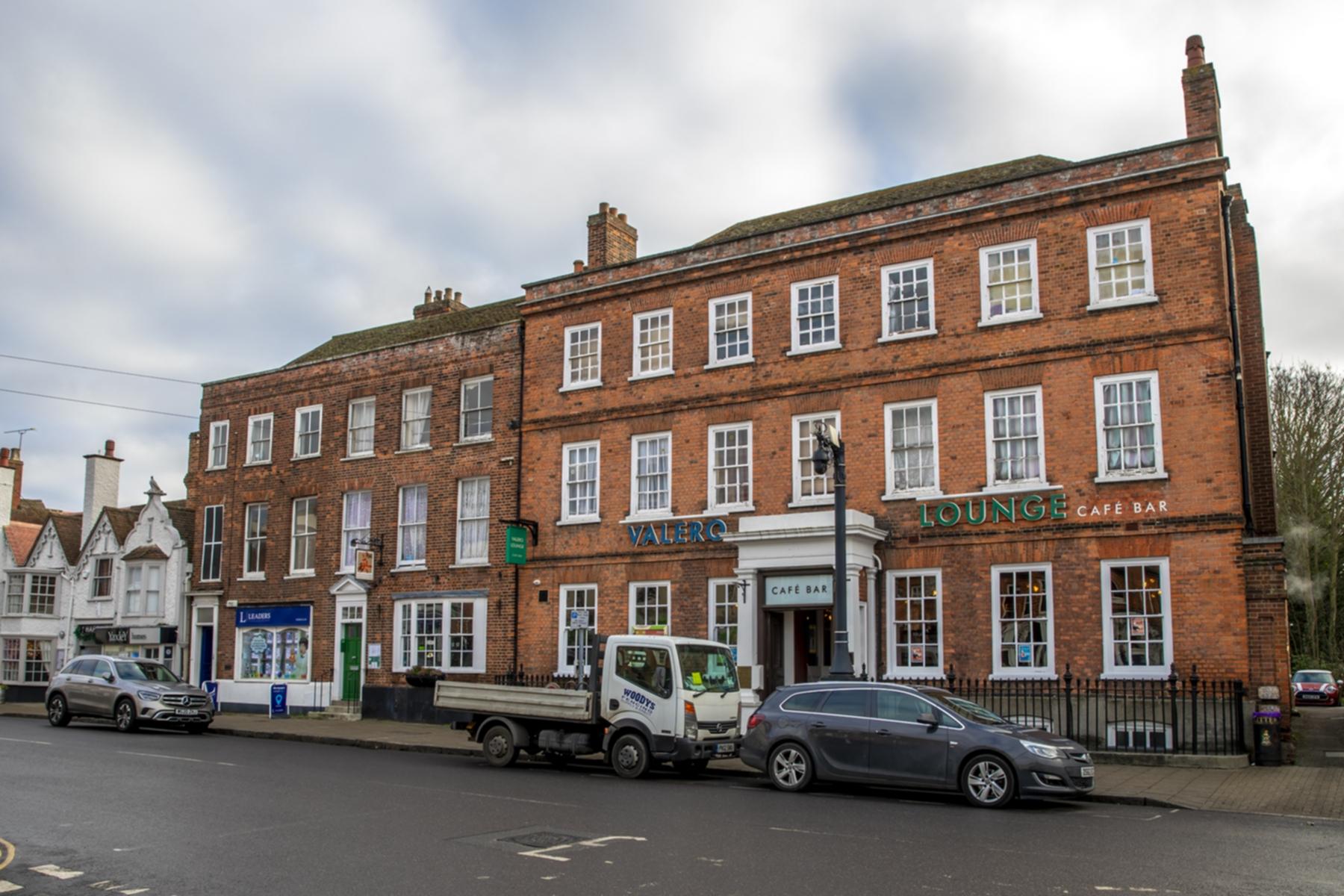
Witham is a busy market town with historic charm, modern convenience and beautiful green spaces. Ideally located between Chelmsford and Colchester, with excellent rail and road connections, it offers residents and visitors the best of town and country living.
Witham's story stretches back more than 1,000 years. From its origins on a Roman road to its Saxon settlement at Chipping Hill, the town has a rich and fascinating heritage. Historic buildings, including the 500-year-old Town Hall and the medieval St Nicolas Church, provide a glimpse into its past, while the legacy of celebrated crime writer Dorothy L Sayers continues to attract literary enthusiasts.
The town offers easy access to green spaces. The picturesque River Walk winds through the town alongside the River Brain, connecting residents and visitors to tranquil landscapes, wildlife habitats and the beautiful Whetmead Nature Reserve. Whether you're enjoying a leisurely stroll, spotting wildlife or spending time with family in one of the town's parks, Witham offers plenty of green space.
A strong sense of community runs through the town, with popular events, local markets and annual celebrations bringing people together throughout the year. Combined with a welcoming town centre, independent businesses and easy access to wider attractions, Witham is a place where people choose to put down roots and where visitors are always warmly welcomed.
Annual events in Witham include a Medieval Fayre in June, Carnival in July, and Witham Street Festival in September.
Share your story
Do you have an event to promote, a business, community group, venue or attraction to showcase, or a news story we should know about? We'd love to hear from you.